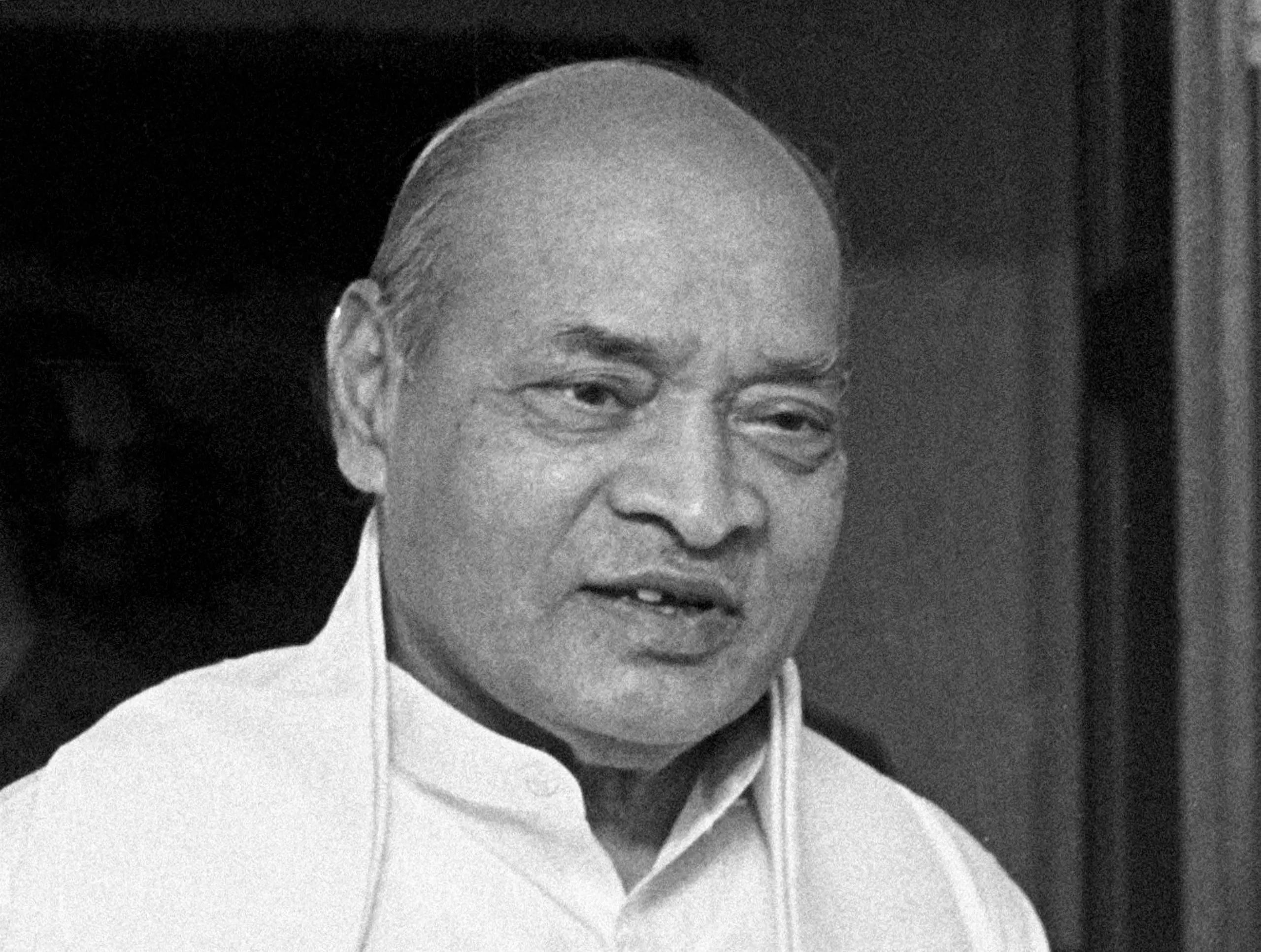
P. V. Narasimha Rao
 India
Indiapolitician•novelist•freedom fighter
Also known as: P. V. Narasimha Rao, Pamulaparthi Venkata Narasimha Rao, Chanakya
Date de naissance
June 28, 1921
Signe astrologique
Cancer
Lieu de naissance
Laknepalli, Warangal district, Hyderabad State (now Telangana), India
Âge
Décédé(e) à 83 ans
À propos
Pamulaparthi Venkata Narasimha Rao a été le 9e Premier ministre de l'Inde et l'architecte des réformes économiques de 1991 qui ont remodelé la nation. Homme politique érudit parlant couramment 13 langues, il a dirigé un gouvernement minoritaire du Congrès de 1991 à 1996, sortant l'Inde d'une grave crise de balance des paiements en démantelant le License Raj et en ouvrant l'économie aux marchés mondiaux. Ses politiques, mises en œuvre avec le ministre des Finances Manmohan Singh, sont largement créditées d'avoir accéléré la trajectoire de croissance de l'Inde et sont maintenues par toutes les administrations suivantes.
La carrière politique de Rao a duré cinq décennies, y compris son service en tant que ministre en chef de l'Andhra Pradesh et ministre de l'Union pour la Défense, les Affaires intérieures et les Affaires extérieures. Connu pour sa profondeur intellectuelle et son acuité politique, il a reçu à titre posthume le Bharat Ratna, la plus haute distinction civile de l'Inde, en 2024. En 2025, son portrait a été dévoilé au Raj Bhavan, au Telangana, à l'occasion de son anniversaire.
Jeunesse et origines
Narasimha Rao est né le 28 juin 1921 dans une famille brahmane Niyogi du village de Laknepalli, mandal de Narsampet, district de Warangal, dans ce qui est aujourd'hui le Telangana (alors partie de l'État d'Hyderabad). Sa langue maternelle était le télougou. Il a effectué une partie de ses études primaires dans le village de Katkuru, vivant chez un parent, Gabbeta Radhakishan Rao. Après avoir obtenu une licence à l'Université d'Osmania, il a étudié le droit au Fergusson College de Pune puis à l'Université de Nagpur, obtenant finalement un diplôme de droit.
Pendant ses années d'études, il a participé au mouvement Vande Mataram à Hyderabad. Dans les années 1940, il a édité l'hebdomadaire télougou Kakatiya Patrika aux côtés d'un cousin éloigné. Il était un activiste indépendantiste actif et a rencontré Mahatma Gandhi. Après l'indépendance, il est entré en politique à plein temps en tant que membre du Parti du Congrès, tout en exerçant comme avocat et en travaillant comme agriculteur.
Évolution de carrière
La percée de Rao a eu lieu en 1971 lorsqu'il est devenu ministre en chef de l'Andhra Pradesh, mettant en œuvre des réformes foncières et favorisant la participation politique des basses castes. Il a soutenu Indira Gandhi lors de la scission du Congrès en 1969, s'alignant sur la faction Congrès (I). Après avoir occupé des portefeuilles clés de l'Union, il est devenu Premier ministre le 21 juin 1991, dirigeant un gouvernement minoritaire avec 244 sièges. Il a été la première personne du sud de l'Inde et la deuxième d'un milieu non hindiphone à occuper ce poste.
Face à une grave crise économique, Rao a lancé une libéralisation historique en 1991 : dévaluation de la roupie, réduction des droits d'importation, abolition des licences industrielles et invitation aux investissements étrangers. Ces réformes ont mis fin au License Raj et ont engagé l'Inde sur une voie de forte croissance. Son mandat a également vu la démolition de la mosquée Babri en 1992. Après la fin de son mandat en 1996, il est resté député jusqu'à sa mort le 23 décembre 2004.
Chronologie de carrière
Image publique et style
Rao était souvent appelé 'Chanakya' pour sa sagacité politique. Il cultivait une personnalité savante et réservée, connu pour sa profondeur intellectuelle et ses déclarations publiques mesurées. Les représentations médiatiques mettent l'accent sur son rôle d'architecte de la transformation économique de l'Inde. Ses discours et écrits étaient philosophiques et érudits. Il est largement étudié en tant qu'homme d'État et réformateur, bien qu'il n'y ait pas de fandom officiel. Il est parfois appelé le 'Père des réformes économiques indiennes.'
Notoriété et fandom
P. V. Narasimha Rao stands as a monumental figure in modern Indian history, yet his global footprint operates differently than that of the entertainment elite. As of August 2026, the iFANN Global Fame Engine has evaluated his standing and confirmed he currently holds no placement within the published Global Top 1,000 or any Top-100 scope list. This absence of a numerical rank reflects his unique status as a statesman rather than a pop culture commodity; his influence is measured in policy shifts and institutional reverence rather than viral metrics or chart positions. The world knows him for dismantling the License Raj and steering India through a severe economic crisis, achievements that anchor his legacy in political science textbooks rather than fan wikis. Unlike celebrities who command organized followings, Rao never cultivated a formal fanbase with a specific name or ritualistic engagement. His admirers are not a movement of individuals organizing tributes or launching charity drives in his honor. Instead, public homage flows through official channels where political leaders across party lines pay respects on anniversaries, and state infrastructure projects bear his name. While citizens benefit from the economic boom he engineered, there are no records of crowds disrupting streets or fan campaigns demanding his work be promoted. His fame remains rooted in the quiet power of his decisions, making him a revered architect whose legend is built on verified historical milestones like being the first non-Gandhi Prime Minister to complete a full term.
Faits intéressants et légendes
P. V. Narasimha Rao was a polymath capable of speaking thirteen languages, including eight Indian tongues alongside English, French, Arabic, Spanish, German, Greek, Latin, and Persian. He penned novels and poems in Telugu and Hindi while working as an agriculturist and advocate before entering politics. His literary contributions included translating Viswanatha Satyanarayana's Telugu novel Veyi Padagalu into Hindi as SahasraPhan and adapting Hari Narayan Apte's Marathi Abala Jeevitam into Telugu. He also lectured at universities in the USA and West Germany under a pen name. Beyond his scholarly pursuits, Rao left behind legends of strategic brilliance and independent courage. He is widely remembered for issuing a stark warning on Independence Day 1995, stating that Pakistan was exporting terror and that Jammu and Kashmir was not merely an issue but a fundamental threat. This prophetic insight into regional security dynamics became a cornerstone of his political mythology. Another defining chapter of his life was his role as the principal architect of the 1991 economic reforms, which ended the License Raj and opened India to global markets. Historians cite this moment as the singular event that set the nation on a trajectory of high growth. He also holds the distinction of being the first Prime Minister outside the Nehru-Gandhi family to serve a full five-year term, symbolizing a shift away from dynastic dominance in Indian politics.
Famille et vie privée
Les parents biologiques de Rao étaient Sitarama Rao et Rukma Bai, issus de familles brahmanes Niyogi agricoles. À l'âge de trois ans, il a été adopté par Pamulaparthi Ranga Rao et Rukminamma et a déménagé au village de Vangara dans le mandal de Bheemadevarpalle, dans l'actuel district de Hanamkonda, Telangana. Il a épousé Satyamma Rao, qui est décédée avant lui. Ils ont eu trois fils et cinq filles. Son milieu familial est brahmane Niyogi agricole.
Relations notables
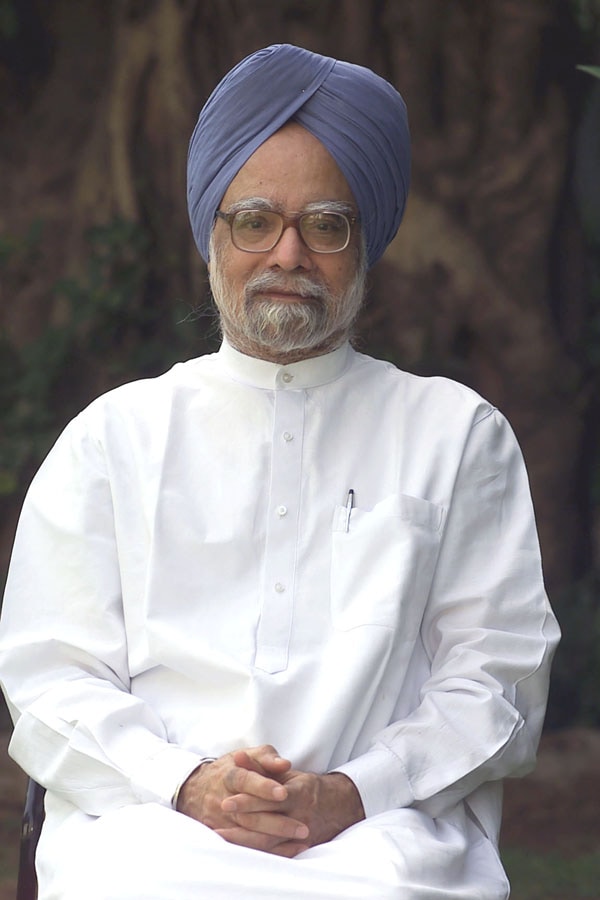
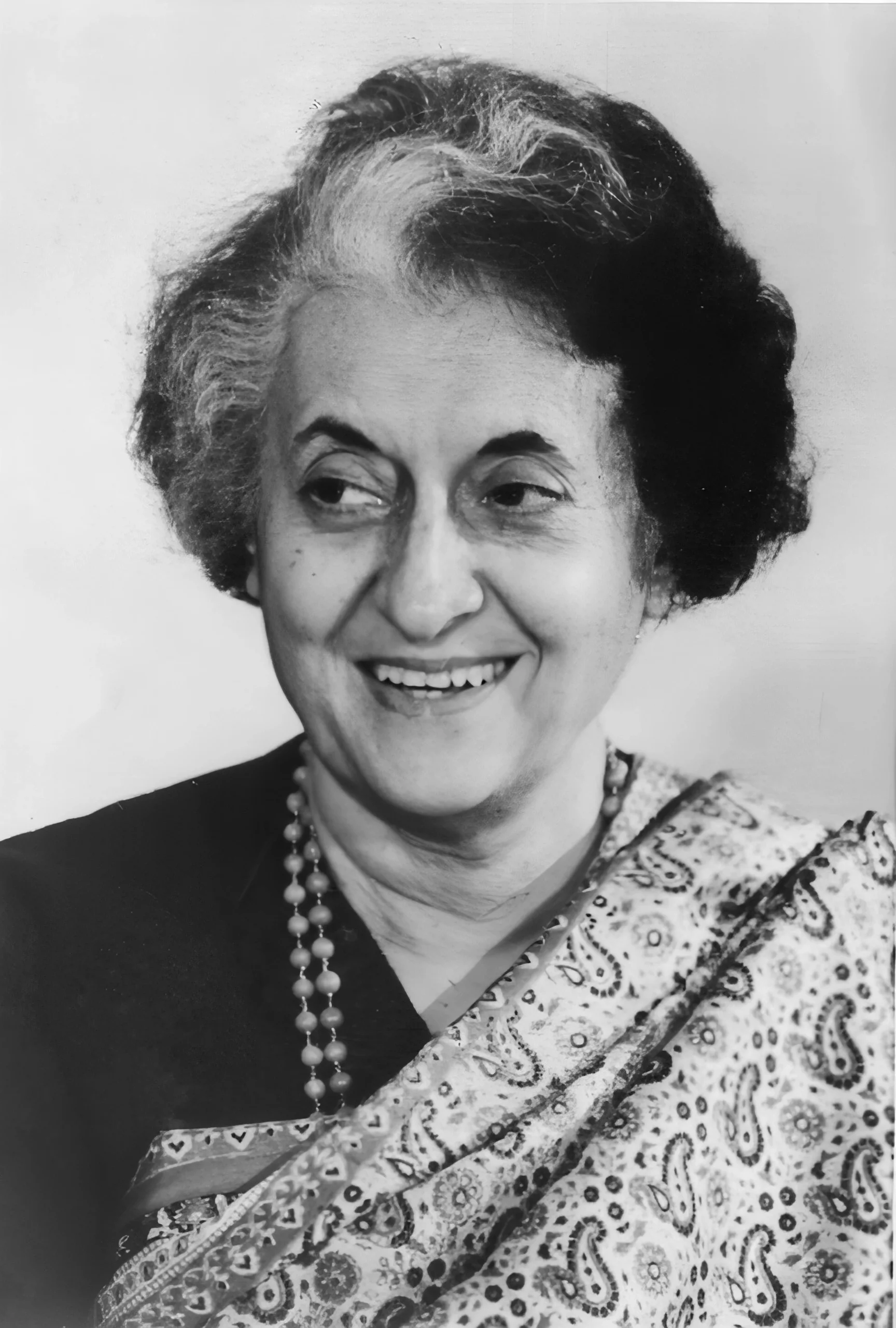
Rao a travaillé en étroite collaboration avec Indira Gandhi, la soutenant lors de la scission du Congrès en 1969. Son ministre des Finances, Manmohan Singh, a été le principal exécutant des réformes économiques de 1991. Il a traduit des œuvres du romancier télougou Viswanatha Satyanarayana et du romancier marathi Hari Narayan Apte.
Relations et vie amoureuse
Rao n'a eu qu'une seule relation amoureuse connue : il a épousé Satyamma Rao dans les années 1940. Elle est décédée avant lui, et il était veuf au moment où il est devenu Premier ministre en 1991. Ils ont eu trois fils et cinq filles. Il ne s'est jamais remarié après sa mort.
- Marié(e)Satyamma RaoElle était son épouse et la mère de ses huit enfants. Elle est décédée avant lui.
Décès et conséquences
Décès
December 23, 2004 (à 83 ans)
Lieu de décès
Hyderabad, Andhra Pradesh
Cause du décès
Causes naturelles
P. V. Narasimha Rao, the 9th Prime Minister of India and a distinguished novelist, died on December 23, 2004, at his residence in Hyderabad, Andhra Pradesh (now Telangana). He was 83 years old at the time of his death. The cause of death was reported as natural causes resulting from a prolonged illness, specifically complications arising from age-related ailments. While specific medical details were not released in a formal coroner's report or autopsy publicly available in general records, the official statement came from his family and was corroborated by hospital staff present at his home, where he had been under care for several months prior to his passing. There are no disputed accounts regarding the circumstances of his death; he passed away peacefully in his sleep.
His final days were spent in relative seclusion at his Hyderabad home, following a period of declining health that limited his public appearances significantly in the years leading up to 2004. V. Narasimha Rao's death. The estate and affairs were handled privately by his family. Public reaction to his death was marked by widespread tributes from political peers, government institutions, and the general populace. Upon his death, the Government of India declared a day of national mourning. Former colleagues, including then-President A.P.J. Abdul Kalam and Prime Minister Manmohan Singh, issued statements praising his contributions to Indian democracy and economic reform. The Indian National Congress party organized memorial services across the country. Memorial murals dedicated to him exist in various parts of Hyderabad and Karimnagar, though these were often established or renovated posthumously rather than erected immediately upon his death.
His funeral was a private affair held on December 24, 2004, at his ancestral village of Laknepally in the Karimnagar district of Andhra Pradesh. The cremation rites were performed according to Hindu traditions. Notable attendees included senior leaders of the Congress party, former ministers, and members of his immediate family. The event was relatively low-key compared to state funerals, reflecting his wish for privacy, though it was attended by high-ranking officials who paid their respects before the cremation. In the posthumous era, numerous honors have been bestowed upon P. V. Narasimha Rao. In 2005, he was posthumously awarded the Padma Vibhushan, India's second-highest civilian award, for his contributions to the nation. Several educational institutions and scholarships have been named in his honor, including the P.V. Narasimha Rao Chair at various universities.
A major landmark in Hyderabad, the PV Narasimha Rao Expressway, was named after him to commemorate his role in transforming the city's infrastructure. Additionally, the Prime Ministers Museum and Library (PMML) has held special exhibitions featuring rare photographs and documents related to his life and tenure. His grandson, K. Chandrashekar Rao (who later became the Chief Minister of Telangana), has frequently spoken about his grandfather's legacy, and an exhibition was inaugurated by his grandson at the PM Sanghralaya in 2026. Regarding his estate, it was managed entirely by his family, though his literary works continue to be published and distributed by Penguin Random House India.
Fortune (valeur de la succession)
Il n'existe pas d'estimation publique de la fortune de P. V. Narasimha Rao. En tant que politicien de carrière et fonctionnaire décédé en 2004, la valeur de sa succession n'est pas divulguée. Il ne possédait pas d'entreprises commerciales importantes ni de sources de revenus posthumes telles que des accords de licence. Sa succession se compose probablement de biens personnels et d'actifs familiaux, y compris peut-être des droits d'auteur résiduels de ses œuvres littéraires.
Récompenses remportées (2)
Rao a reçu à titre posthume le Bharat Ratna en 2024, la plus haute distinction civile indienne, pour son rôle dans les réformes économiques et le service public.
1980
65.90
2024 · Civil
Economic reforms and public service
Connu pour
Prime Minister of India
1991 · 9th Prime Minister
Economic liberalization of 1991
1991 · Architect of reforms
Chief Minister of Andhra Pradesh
1971 · Ministre en chef
Mots-clés
Sources
Faits clés
- Profession
- politician, novelist, freedom fighter
- Né(e) le
- June 28, 1921
- Lieu de naissance
- Laknepalli, Warangal district
- Décès
- December 23, 2004
- Lieu de décès
- Delhi
- Genre
- Homme
- Signe astrologique
- Cancer
- Conjoint
- Satyamma Rao
- Children
- 3 sons, 5 daughters
Informations personnelles
- Nom complet
- Pamulaparthi Venkata Narasimha Rao
- Conjoint
- Satyamma Rao
- Enfants
- Three sons and five daughters
- Formation
- Bachelor of Arts from Osmania University; Master's degree in Law from Fergusson College (University of Bombay); law degree from Nagpur University
Questions fréquentes
Pour quoi P. V. Narasimha Rao est-il connu ?
Enfants de P. V. Narasimha Rao ?
Âge de P. V. Narasimha Rao à son décès ?
Fortune de P. V. Narasimha Rao ?
Caste de P. V. Narasimha Rao ?
Personnalités similaires
Rejoindre la communauté
fans en discussion