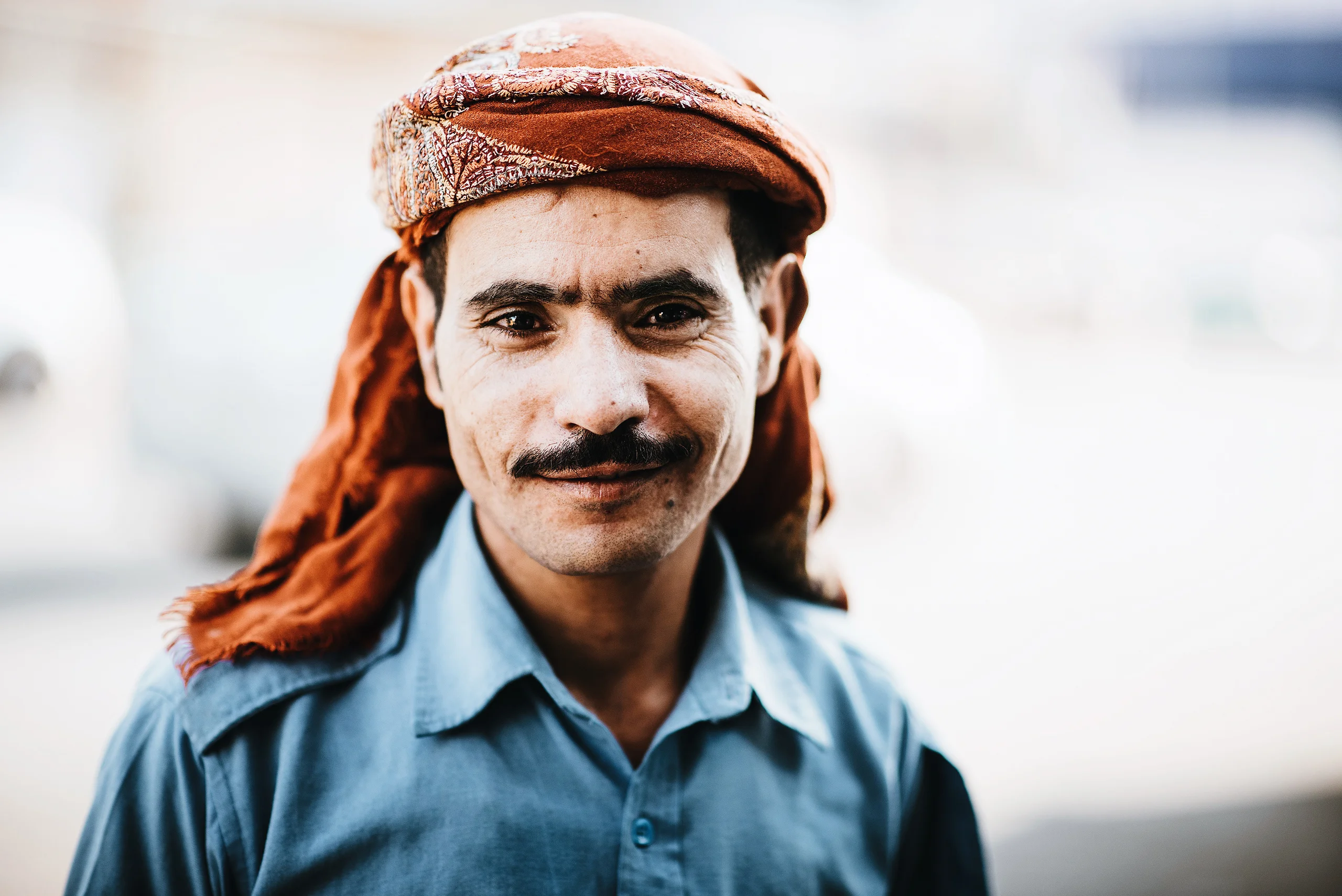
Abdulrahman Saleh
 Indonesia
Physician•military aviator•broadcasting pioneer
Also known as: Abdoel Rahman Saleh, Abdurahman Saleh, Abdulrachman Saleh
Date de naissance
July 1, 1909
Signe astrologique
Cancer
Lieu de naissance
Jakarta, Dutch East Indies
Âge
Décédé(e) à 38 ans
À propos
Abdulrahman Saleh était un médecin indonésien, aviateur militaire et pionnier de la radiodiffusion. On se souvient de lui comme cofondateur de Radio Republik Indonesia (RRI), le réseau de radio d'État qui est devenu la voix de la nation nouvellement indépendante. Sa vie s'est tragiquement terminée le 29 juillet 1947, lorsque son avion, transportant des fournitures médicales, a été abattu par les forces néerlandaises pendant la Révolution nationale indonésienne. Il avait 38 ans.
En 1974, le gouvernement indonésien l'a déclaré à titre posthume Héros national d'Indonésie, la plus haute distinction que l'État puisse décerner. Aujourd'hui, son héritage perdure à travers des institutions qui portent son nom, notamment l'aéroport Abdulrachman Saleh à Malang et la base aérienne Abdulrahman Saleh. Pour de nombreux Indonésiens, il symbolise l'intersection entre expertise professionnelle et sacrifice patriotique, un guérisseur qui a pris son envol pour servir son pays.
Jeunesse et origines
Abdulrahman Saleh est né à Jakarta le 1er juillet 1909, à l'époque coloniale néerlandaise. Ayant grandi sous la domination coloniale, il a été témoin des inégalités et de l'oppression qui ont alimenté le mouvement nationaliste indonésien. Cet environnement a façonné ses premières années et a instillé en lui un profond engagement en faveur de la cause de l'indépendance.
Il a poursuivi des études de médecine et est devenu médecin. Sa formation médicale était rigoureuse et l'a placé parmi un petit groupe de professionnels indonésiens instruits de sa génération. Bien que les détails de son enfance et de sa scolarité restent rares dans les archives historiques, son choix de la médecine reflétait un désir de servir sa communauté et, plus tard, sa nation.
En tant que jeune médecin, Saleh a probablement rencontré les opportunités limitées offertes aux Indonésiens autochtones sous la domination néerlandaise, ce qui a renforcé ses convictions nationalistes. Sa carrière médicale, cependant, a été rapidement interrompue par les bouleversements de la Seconde Guerre mondiale. Lorsque le Japon a occupé les Indes orientales néerlandaises en 1942, Saleh s'est impliqué dans la radiodiffusion, un domaine qui s'avérerait crucial pour la lutte pour l'indépendance. La radio est devenue un outil de communication et de propagande, et l'implication de Saleh pendant cette période a jeté les bases de son rôle ultérieur dans l'établissement d'un réseau de radiodiffusion indonésien indépendant.
Évolution de carrière
La percée d'Abdulrahman Saleh est survenue au lendemain de la proclamation de l'indépendance de l'Indonésie le 17 août 1945. Il a joué un rôle déterminant dans la cofondation de Radio Republik Indonesia (RRI), le réseau de radio d'État qui diffuserait le message de la nouvelle république au monde. RRI reste à ce jour le réseau de radio national indonésien, un témoignage de son rôle fondateur dans la radiodiffusion indonésienne.
Pendant la Révolution nationale indonésienne (1945-1949), Saleh a servi comme médecin militaire et aviateur. Il effectuait des missions pour transporter des fournitures médicales et du personnel, utilisant ses compétences pour soutenir les forces républicaines. Son travail était dangereux, car les forces néerlandaises contrôlaient une grande partie de l'espace aérien.
Tragiquement, le 29 juillet 1947, Saleh a été tué lorsque son avion Dakota, transportant des fournitures médicales, a été abattu par les forces néerlandaises près de Maguwoharjo, Yogyakarta, pendant l'offensive militaire néerlandaise connue sous le nom d'Opération Product. Sa mort à 38 ans a fait de lui un martyr de la révolution. En 1974, le gouvernement indonésien l'a déclaré à titre posthume Héros national d'Indonésie, reconnaissant ses contributions à la médecine, à l'aviation et à la lutte pour l'indépendance.
Chronologie de carrière
Image publique et style
Dans l'historiographie nationale indonésienne, Abdulrahman Saleh est dépeint comme un héros martyr qui incarnait l'intersection entre expertise professionnelle et sacrifice patriotique. Son image est celle du nationaliste instruit qui a utilisé ses compétences, à la fois comme médecin et comme radiodiffuseur, pour servir la révolution. Il est commémoré dans les manuels scolaires et les récits nationaux aux côtés d'autres héros de la période révolutionnaire.
Il n'y a pas de fan club organisé au sens moderne ; plutôt, son héritage est institutionnalisé à travers des honneurs d'État et des infrastructures publiques nommées, comme l'aéroport Abdulrachman Saleh et la base aérienne Abdulrahman Saleh à Malang.
Notoriété et fandom (iFAMOUS Rankings)
Abdulrahman Saleh remains a figure of profound historical reverence rather than modern pop-culture fandom. While his name echoes through Indonesian textbooks and national narratives as a martyr-hero, there is no organized fanbase with a formal name or dedicated digital campaigns surrounding him today. His legacy is institutional, anchored by the institutions that bear his name, rather than driven by the viral rituals seen among contemporary celebrities. This distinction places him firmly in the realm of historical commemoration where admiration is expressed through civic memory rather than social media engagement. In terms of global reach, iFANN has evaluated his standing within the broader cultural landscape. Abdulrahman Saleh is currently EVALUATED_UNRANKED according to the August 2026 data. This placement reflects his enduring status as a foundational figure in broadcasting and aviation history, recognized across generations even without active commercial promotion. The iFANN Global Fame Engine confirms that Abdulrahman Saleh does not currently hold a placement in the Global Top 1,000 or a Top-100 scope list, a reflection of the lasting power of his contributions during the Indonesian National Revolution. Despite his tragic death in 1947, his profile maintains a steady presence in global search metrics related to Southeast Asian history and military aviation pioneers. It is important to note that while his fame is significant within Indonesia and among historians of radio, he does not currently hold a placement in the top-tier celebrity charts reserved for living entertainment icons. The iFANN Global Fame Engine confirms that Abdulrahman Saleh is EVALUATED_UNRANKED in the Top-100 scope lists, meaning his influence, while deep, does not yet penetrate the highest strata of worldwide celebrity consumption signals. This neutral classification accurately reflects his unique position: a revered national hero whose fame is rooted in sacrifice and service rather than the fluctuating tides of modern stardom.
Faits intéressants et légendes
Abdulrahman Saleh stands out as one of the few Indonesian national heroes who seamlessly blended the roles of physician and aviator, merging humanitarian aid with military duty. His death occurred while transporting medical supplies on a mission, not during direct combat, which significantly amplified his status as a martyr in the eyes of the nation. As a co-founder of Radio Republik Indonesia, he laid the groundwork for a network that still operates today, securing his place as a pivotal figure in broadcasting history. Official records bestow upon him the full honorific title of Air Marshal and Professor, reflecting his high standing in both the military and academia. Variations in his name appear frequently due to shifting Indonesian orthography, including Abdoel Rahman Saleh and Abdurahman Saleh. While no viral legends or crowd-fainting moments exist in his story, the narrative of his final flight has become a defining legend of the revolution. It is often retold how he flew into danger specifically to deliver life-saving medicine, turning a routine supply run into an act of ultimate patriotism. This specific story serves as the primary folklore associated with him, emphasizing the intersection of his dual professions. Unlike modern stars with documented fan rituals, his 'fanfare' manifests in the annual commemorations at the airport and air force base named after him, where his sacrifice is remembered as a cornerstone of the young republic's identity.
Famille et vie privée
Abdulrahman Saleh était marié à Ismudiyati Abdul Rachman Saleh. Le couple a eu des enfants, bien que les détails de leur vie familiale soient limités dans les sources disponibles. Compte tenu de son implication intense dans la lutte pour l'indépendance et de sa mort à 38 ans, sa vie personnelle a été largement éclipsée par son service en temps de guerre. Sa veuve, Ismudiyati, lui a survécu.
Relations notables
Relations et vie amoureuse
Abdulrahman Saleh était marié à Ismudiyati Abdul Rachman Saleh. Le couple a eu des enfants, mais les dates précises et les détails de leur relation ne sont pas documentés. Son mariage semble avoir été stable, sans aucun enregistrement de divorce ou de séparation. Comme il est décédé le 29 juillet 1947, il était marié à Ismudiyati au moment de sa mort.
- Marié(e)Ismudiyati Abdul Rachman Saleh? - 1947Marié jusqu'à sa mort en 1947 ; ils ont eu des enfants ensemble.
Décès et conséquences
Décès
July 29, 1947 (à 38 ans)
Lieu de décès
Inconnu
Cause du décès
Shot down by Dutch forces
By the summer of 1947, Abdulrahman Saleh had already established himself as a vital link between the medical community and the aviation corps during the Indonesian National Revolution. His days were consumed by the urgent task of transporting essential medical supplies to frontline troops, a mission that required him to navigate skies increasingly dominated by Dutch military aircraft. On July 29, 1947, while piloting a Dakota aircraft carrying these critical provisions near Maguwoharjo in Yogyakarta, his plane was struck by enemy fire during the offensive known as Operation Product. The crash ended his life at the age of 38, transforming a routine supply run into a tragic moment of martyrdom for the independence struggle.
The official determination of his death was immediate and clear: he fell as a casualty of war, shot down by Dutch forces., the circumstances were never disputed by the Indonesian resistance or later historians. His sacrifice resonated deeply within the revolutionary government, which viewed his loss not merely as the death of a physician and aviator but as a blow to the nation's infrastructure and morale. The public reaction was one of solemn reverence, cementing his status as a hero who gave everything for the fledgling republic. Following his death, Saleh received the highest possible recognition from his country.
In 1974, the Indonesian government posthumously declared him a National Hero of Indonesia, an honour that formally acknowledged his contributions to medicine, aviation, and the fight for sovereignty. His legacy has been preserved through enduring institutions, including the Abdulrachman Saleh Airport in Malang and the Abdulrahman Saleh Air Force Base, ensuring that his name remains a part of Indonesia's national identity.
Fortune (valeur de la succession)
$1 Million
Estimation de l’équipe éditoriale d’iFANN
As a historical figure who passed away in 1947, Abdulrahman Saleh possessed no personal net worth at the time of his death, and the value of his estate remains undocumented in public records. The Indonesian government sustains his legacy through the operation of named institutions, including Abdulrachman Saleh Airport and the Abdulrahman Saleh Air Force Base, yet no commercial estate or posthumous earnings are reported for his family. Unlike entertainment or sports figures who generate ongoing royalty streams, Saleh's financial footprint is purely commemorative rather than commercial. Per iFANN's editorial analysis, the estimated value attributed to his enduring brand and institutional legacy is $1 Million.
Récompenses remportées (1)
Abdulrahman Saleh a été déclaré à titre posthume Héros national d'Indonésie en 1974, la plus haute distinction décernée par l'État indonésien pour ses contributions à l'indépendance et au développement de la nation.
1974 · Distinction nationale
Contributions to Indonesian independence
Connu pour
Co-founding Radio Republik Indonesia
1945 · Co-fondateur
Military aviation during the Indonesian National Revolution
1945-1947 · Military aviator and physician
Mots-clés
Sources
Faits clés
- Profession
- Physician, military aviator, broadcasting pioneer
- Né(e) le
- July 1, 1909
- Lieu de naissance
- Jakarta, Dutch East Indies
- Décès
- July 29, 1947
- Lieu de décès
- Maguwoharjo, Yogyakarta
- Genre
- Homme
- Conjoint
- Ismudiyati Abdul Rachman Saleh
- Signe astrologique
- Cancer
Informations personnelles
- Nom complet
- Abdulrahman Saleh
- Conjoint
- Ismudiyati Abdul Rachman Saleh
- Formation
- Medical degree from a Dutch colonial-era institution in the Dutch East Indies
Questions fréquentes
Qui était Abdulrahman Saleh ?
Comment Abdulrahman Saleh est-il mort ?
Pour quoi Abdulrahman Saleh est-il connu ?
Abdulrahman Saleh est-il un héros national ?
Qu'est-ce qui porte le nom d'Abdulrahman Saleh ?
Rejoindre la communauté
fans en discussion