iFANN
    Rechercher sur iFANN...
    Connexion
    Accueil
    Actualités
    Vidéos
    Photos
    GIF
    Explorer
    Sondages
    Récompenses
    iFAMOUS
    Wiki
    Animé
    Salons
    Notifications
    Messages
    Favoris
    Profil
    WikiRécompensesiFAMOUSClassementsSecteursRécompenses créateursRécompenses utilisateursConditionsConfidentialitéRègles de la communautéRetrait / DMCAAideDéveloppeurs

    © 2026 iFANN

    Accueil
    Rechercher
    Messages
    Alertes
    Profil
    Photo
    Scarlett S
    Scarlett S@scarlett_s1mo
    💭Info/Editorials💭Europe
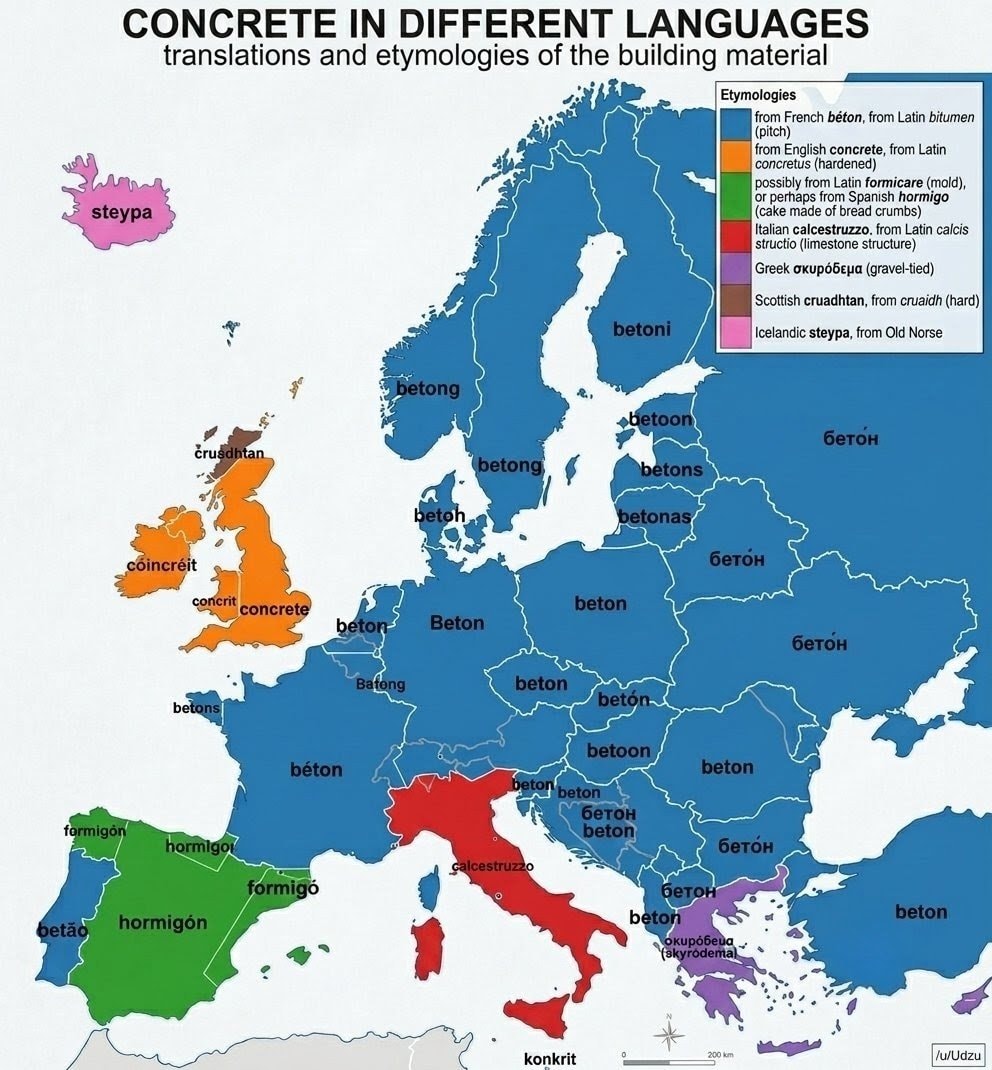
    Concrete in Different Languages

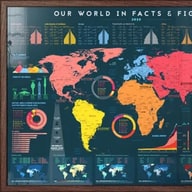
    @scarlett_sA map of Europe breaks down the word for concrete by language and etymology, so you can see how French béton traces back to Latin bitumen while English concrete comes from concretus. Spanish hormigón might be from formicare or a bread-crumb cake, Italian calcestruzzo is from calcis structio for limestone structure, Greek σκυρόδεμα means gravel-tied, Scottish cruaidhhtan comes from cruaidh for hard, and Icelandic steypa goes back to Old Norse

    Voir la publication d'origine
    Concrete in Different Languages

    Photo de @scarlett_s· Aug 10, 2026· Info/Editorials

    À propos de cette photo

    The image is a map of Europe showing the word for "concrete" in different languages. The map is color-coded to show etymological origins, with a legend explaining the different color groups. The style is informative and educational, like a textbook illustration. A notable detail is the variety of spellings and pronunciations for the same word across different countries. ON-SCREEN TEXT: CONCRETE IN DIFFERENT LANGUAGES translations and etymologies of the building material Etymologies from French béton, from Latin bitumen (pitch) from English concrete, from Latin concretus (hardened) possibly from Latin formicare (mold), or perhaps from Spanish hormigón (cake made of bread crumbs) Italian calcestruzzo, from Latin calcis structio (limestone structure) Greek σκυρόδεμα (gravel-tied) Scottish cruaidhhtan, from cruaidh (hard) Icelandic steypa, from Old Norse /u/Udzu

    Voir toutes les photos de Info/Editorials

    ?

    Aucun commentaire pour le moment. Soyez le premier !

    Plus de photos de Info/Editorials

    Voir toutes les photos de Info/Editorials
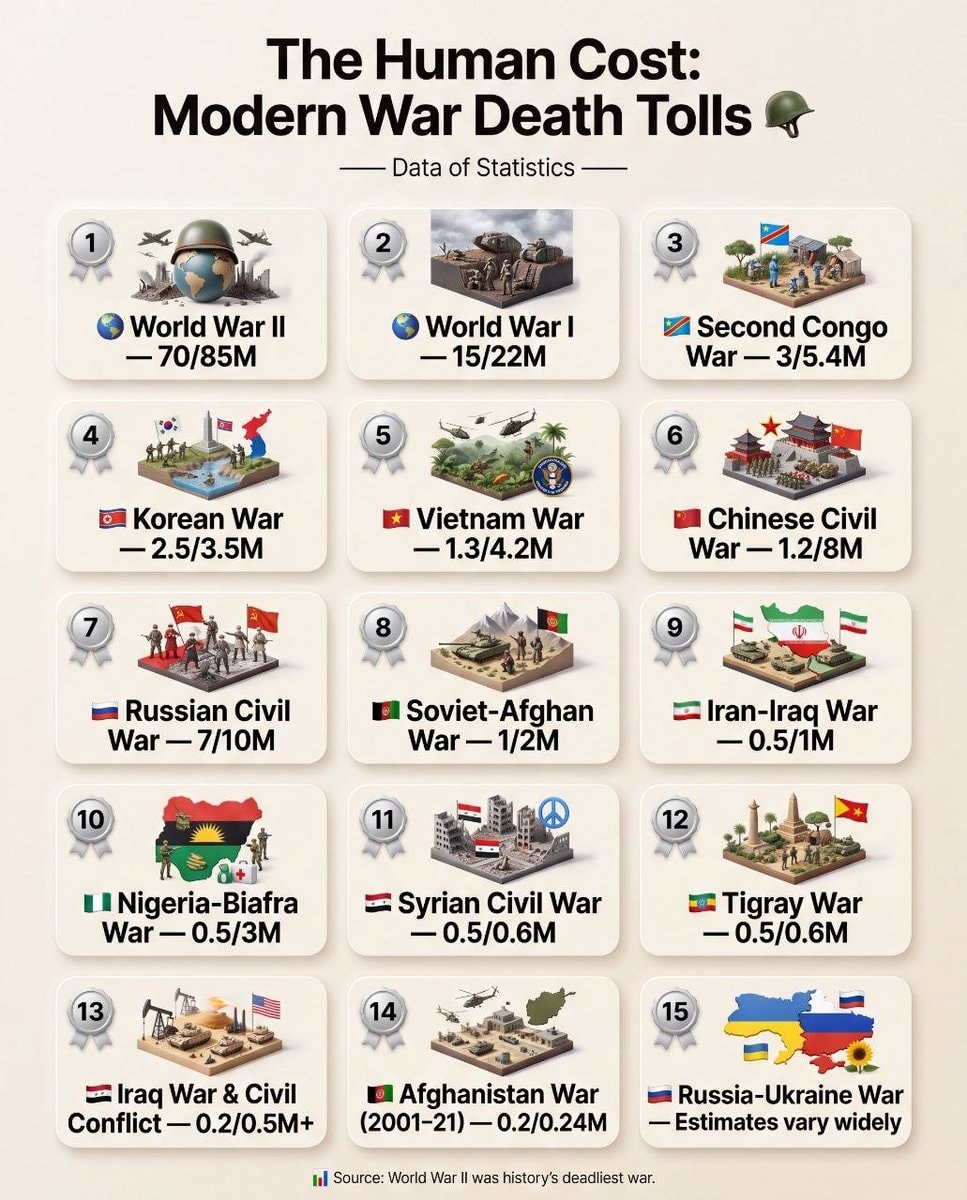
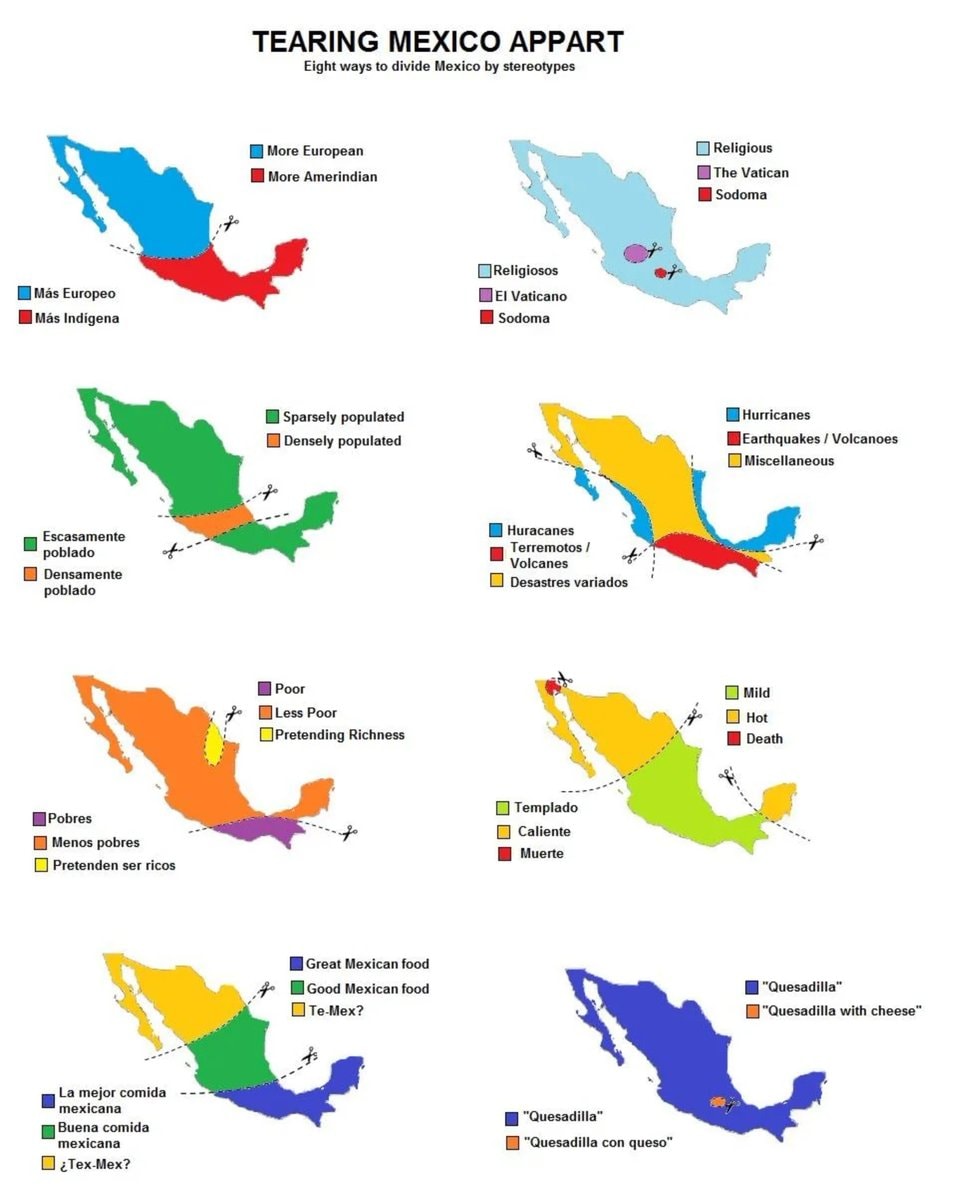
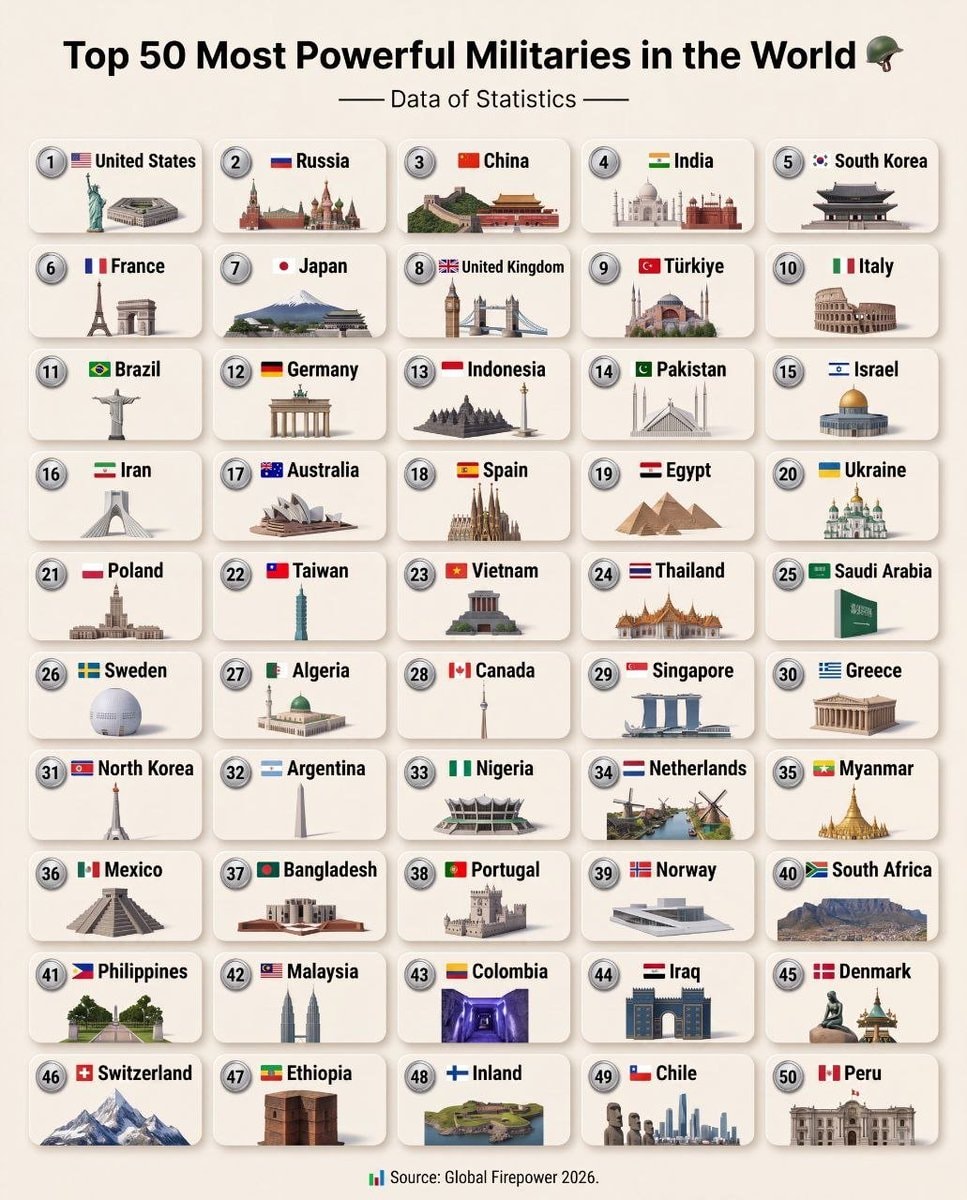
    Modern War Death TollsModern War Death Tolls8 ways to divide Mexico by stereotype8 ways to divide Mexico by stereotypeTop 50 Most Powerful Militaries 2026Top 50 Most Powerful Militaries 2026Languages of Europe infographicLanguages of Europe infographicWorld's Happiest Cities in 2026World's Happiest Cities in 2026Europe's largest trade partnersEurope's largest trade partnersHispanic population share by U.S. countyHispanic population share by U.S. countyU.S. State GDP Contribution 2025U.S. State GDP Contribution 2025France vs Morocco true size mapFrance vs Morocco true size mapMarshall Islands mapMarshall Islands mapMicronesia map and factsMicronesia map and factsVanuatu map and factsVanuatu map and factsNauru map and factsNauru map and factsFrench plans for Europe 1915French plans for Europe 1915Palau map & factsPalau map & factsPapua New Guinea maps & factsPapua New Guinea maps & factsSamoa map and factsSamoa map and factsSolomon Islands map and factsSolomon Islands map and facts
    Photo
    Scarlett S
    Scarlett S@scarlett_s1mo
    💭Info/Editorials💭Europe
    Concrete in Different Languages

    @scarlett_sA map of Europe breaks down the word for concrete by language and etymology, so you can see how French béton traces back to Latin bitumen while English concrete comes from concretus. Spanish hormigón might be from formicare or a bread-crumb cake, Italian calcestruzzo is from calcis structio for limestone structure, Greek σκυρόδεμα means gravel-tied, Scottish cruaidhhtan comes from cruaidh for hard, and Icelandic steypa goes back to Old Norse

    Voir la publication d'origine
    Concrete in Different Languages

    Photo de @scarlett_s· Aug 10, 2026· Info/Editorials

    À propos de cette photo

    The image is a map of Europe showing the word for "concrete" in different languages. The map is color-coded to show etymological origins, with a legend explaining the different color groups. The style is informative and educational, like a textbook illustration. A notable detail is the variety of spellings and pronunciations for the same word across different countries. ON-SCREEN TEXT: CONCRETE IN DIFFERENT LANGUAGES translations and etymologies of the building material Etymologies from French béton, from Latin bitumen (pitch) from English concrete, from Latin concretus (hardened) possibly from Latin formicare (mold), or perhaps from Spanish hormigón (cake made of bread crumbs) Italian calcestruzzo, from Latin calcis structio (limestone structure) Greek σκυρόδεμα (gravel-tied) Scottish cruaidhhtan, from cruaidh (hard) Icelandic steypa, from Old Norse /u/Udzu

    Voir toutes les photos de Info/Editorials

    ?

    Aucun commentaire pour le moment. Soyez le premier !

    Plus de photos de Info/Editorials

    Voir toutes les photos de Info/Editorials
    Modern War Death TollsModern War Death Tolls8 ways to divide Mexico by stereotype8 ways to divide Mexico by stereotypeTop 50 Most Powerful Militaries 2026Top 50 Most Powerful Militaries 2026Languages of Europe infographicLanguages of Europe infographicWorld's Happiest Cities in 2026World's Happiest Cities in 2026Europe's largest trade partnersEurope's largest trade partnersHispanic population share by U.S. countyHispanic population share by U.S. countyU.S. State GDP Contribution 2025U.S. State GDP Contribution 2025France vs Morocco true size mapFrance vs Morocco true size mapMarshall Islands mapMarshall Islands mapMicronesia map and factsMicronesia map and factsVanuatu map and factsVanuatu map and factsNauru map and factsNauru map and factsFrench plans for Europe 1915French plans for Europe 1915Palau map & factsPalau map & factsPapua New Guinea maps & factsPapua New Guinea maps & factsSamoa map and factsSamoa map and factsSolomon Islands map and factsSolomon Islands map and facts